Composite Fencing for HOAs and Multi-Unit Properties
Why HOAs and property managers increasingly specify composite for boundary, perimeter, and trash-enclosure fencing — and what to ask in an RFP.
· 5 min read · By Compoxen Editorial
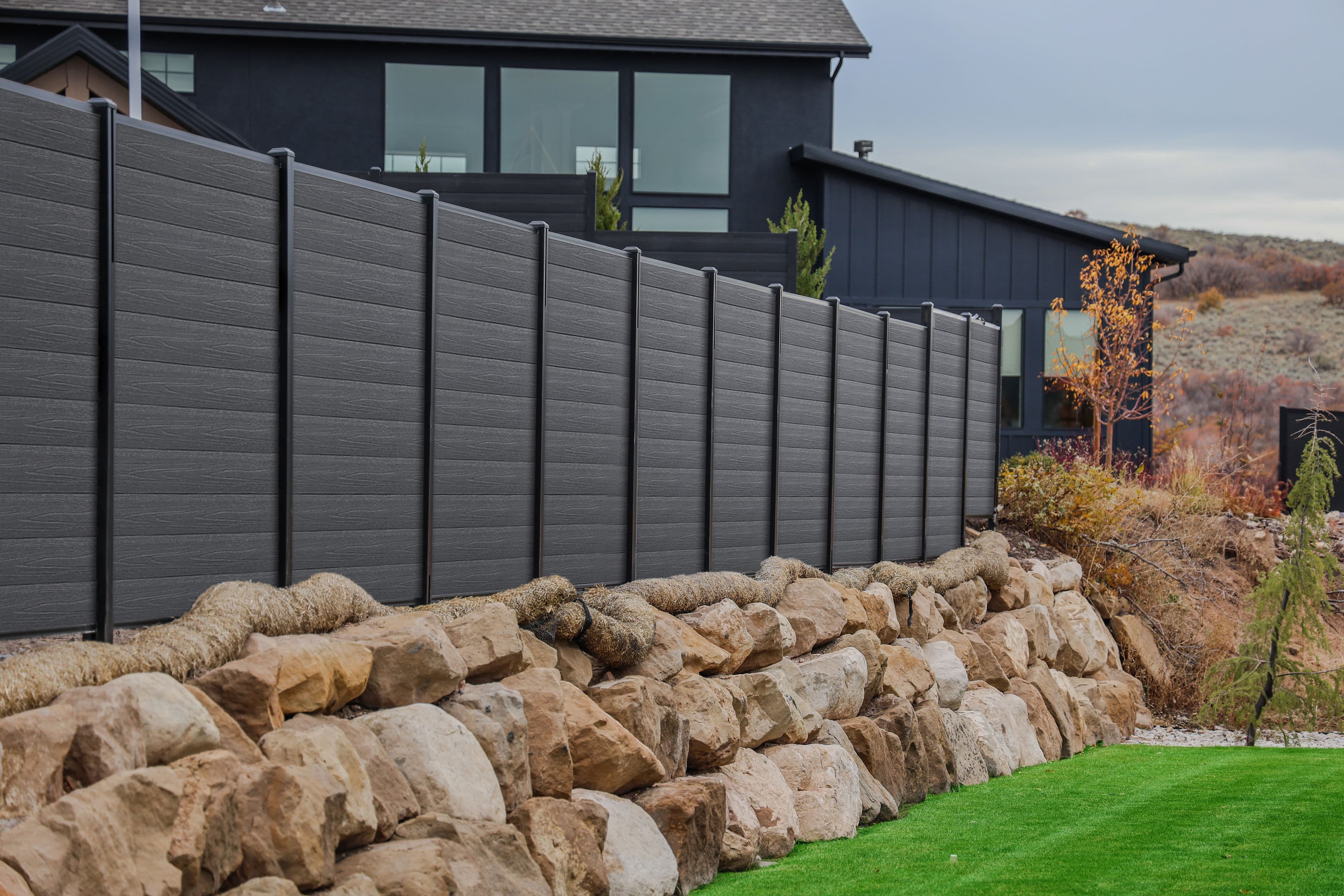
HOAs and multi-unit property managers run a different math than single-family homeowners. Maintenance is a recurring line item, replacement is a capital expense, and inconsistency between adjacent panels is a complaint magnet. Composite removes all three problems.
What HOAs actually optimize for
- Predictable lifecycle cost. Composite is one upfront purchase and zero scheduled maintenance for 20 years. Wood is a perpetual reserve-fund item.
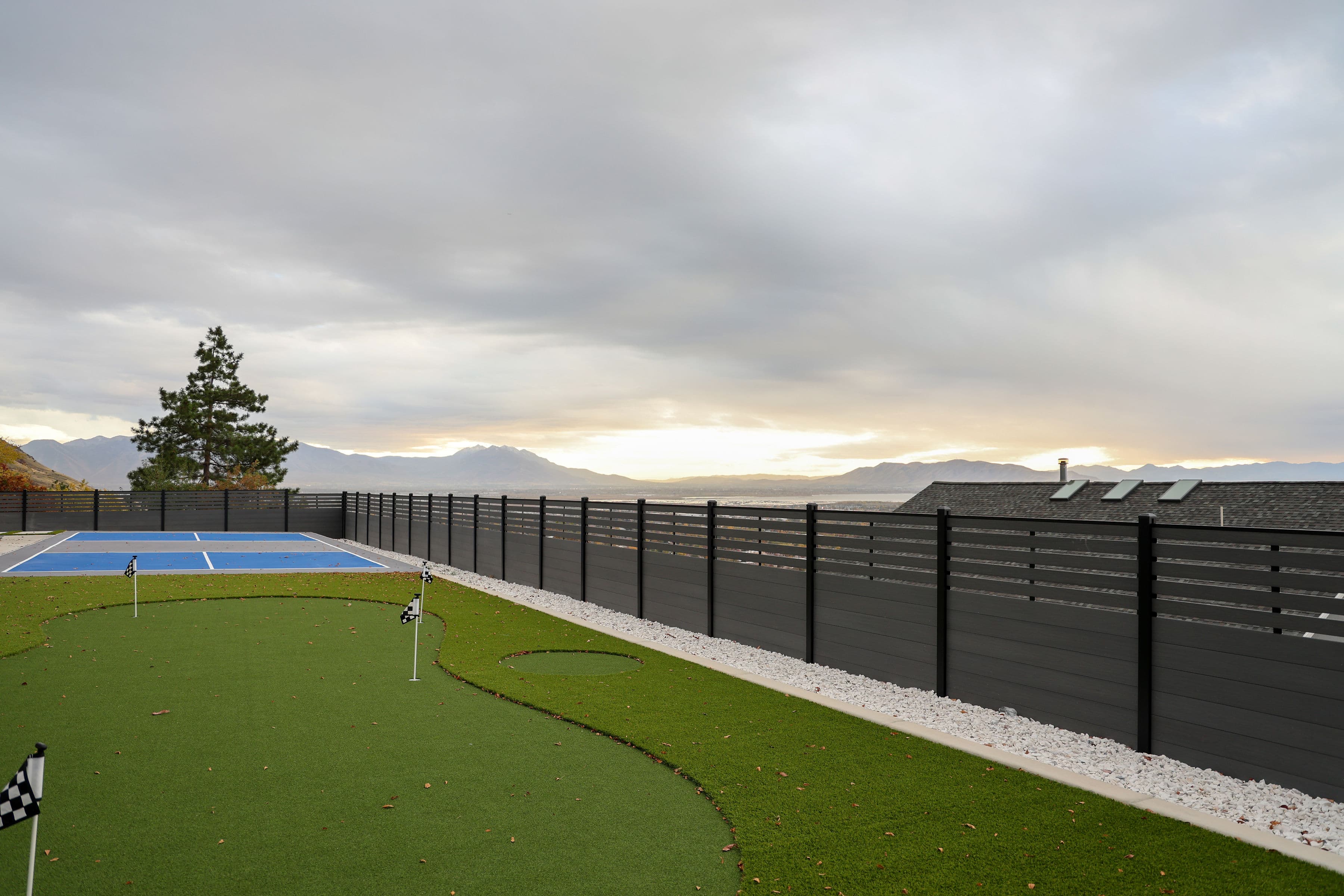
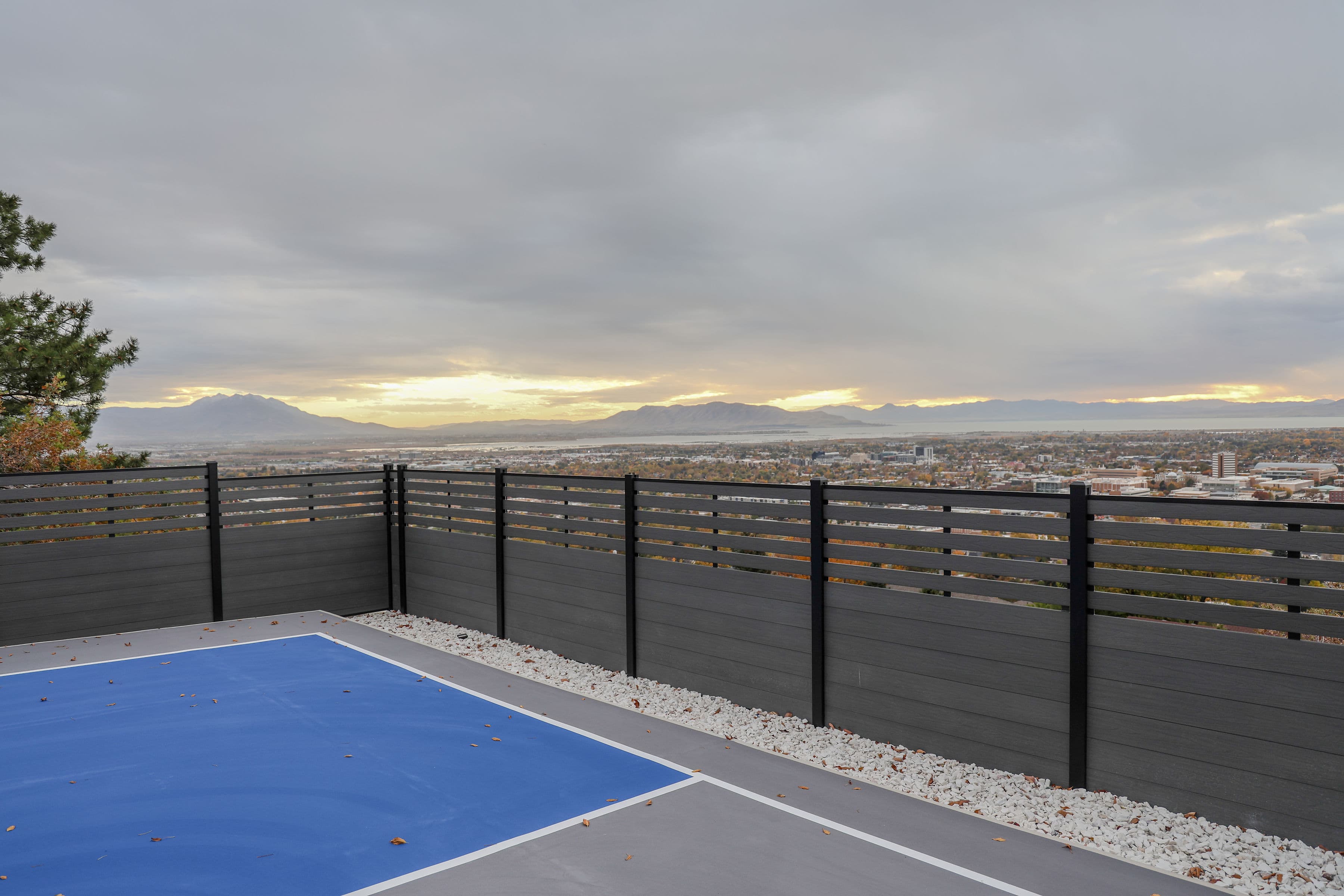
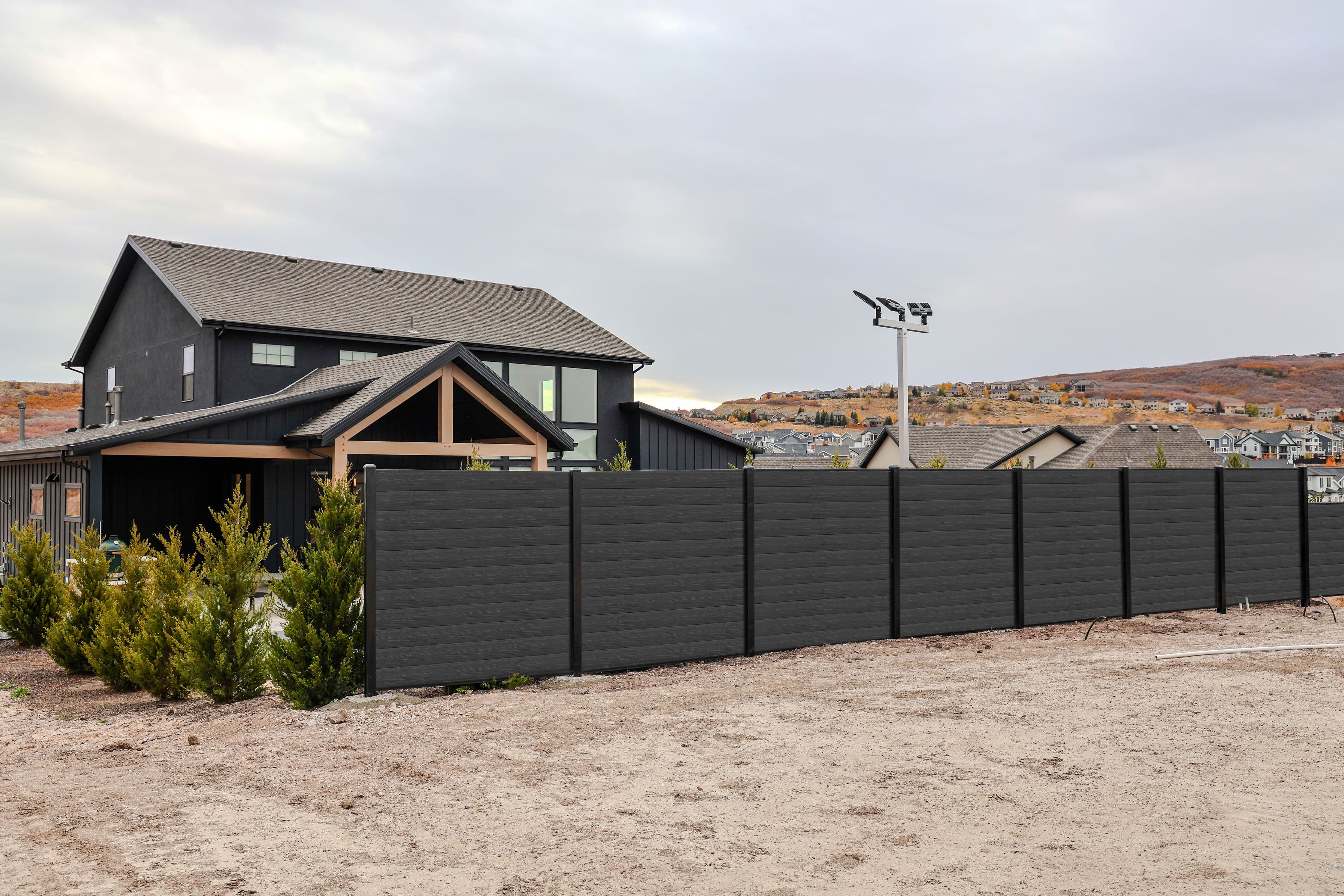
- Visual consistency. A composite fence at year 10 looks like the same fence at year 1. A wood fence at year 10 has been re-stained at different times by different crews and shows it.
- Liability profile. Class A fire rating, no rotted bottom rails to fall on a kid, no rusted fasteners.
What to ask in an RFP
- ASTM E84 fire rating documentation.
- Wind rating with the manufacturer's specified post spacing.
- Warranty assignability when units change owners.
- Replacement panel availability over the warranty term.
- Color match guarantee for future replacement panels.
Trash enclosures and back-of-house
Composite is also the right answer for trash enclosures, transformer screens, and HVAC enclosures on commercial properties. Wood deteriorates fast in those locations from constant impact and chemical exposure; composite does not.
Get a multi-unit quote
Request a commercial quote and select the HOA / commercial project type. Compoxen has crews experienced with RFP-driven specifications across Utah.
Ready for a real number?
We'll reply with pricing, lead time, and availability for your Utah project.
Get a Quote