How Much Does Composite Fencing Reduce Road Noise?
Why composite dampens sound that vinyl transmits, and how much you should realistically expect from a six-foot composite privacy fence.

· 4 min read · By Compoxen Editorial
If your house backs up to a busy road, fencing material matters as much as fencing height. Composite is meaningfully better than wood or vinyl at absorbing road noise, for a simple physics reason: density.
Why density matters
Sound transmission loss across a barrier is largely a function of mass per unit area. Heavier panels block more sound. Vinyl is engineered to be light, which is part of why it is cheap and part of why it transmits noise. Wood is denser than vinyl but absorbs water and loses mass over time. Composite is dense by formulation and stays dense for the life of the fence.
What to realistically expect
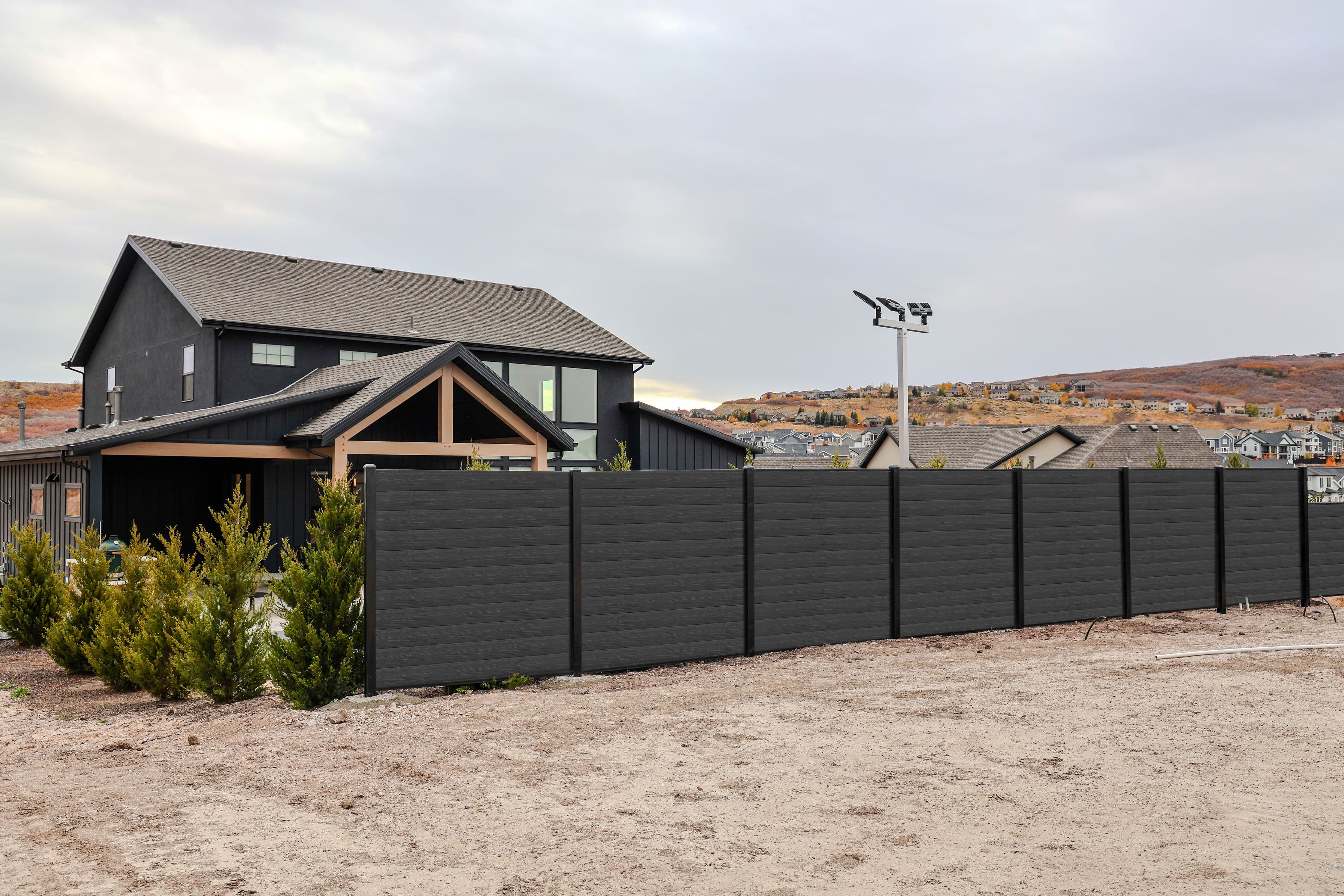
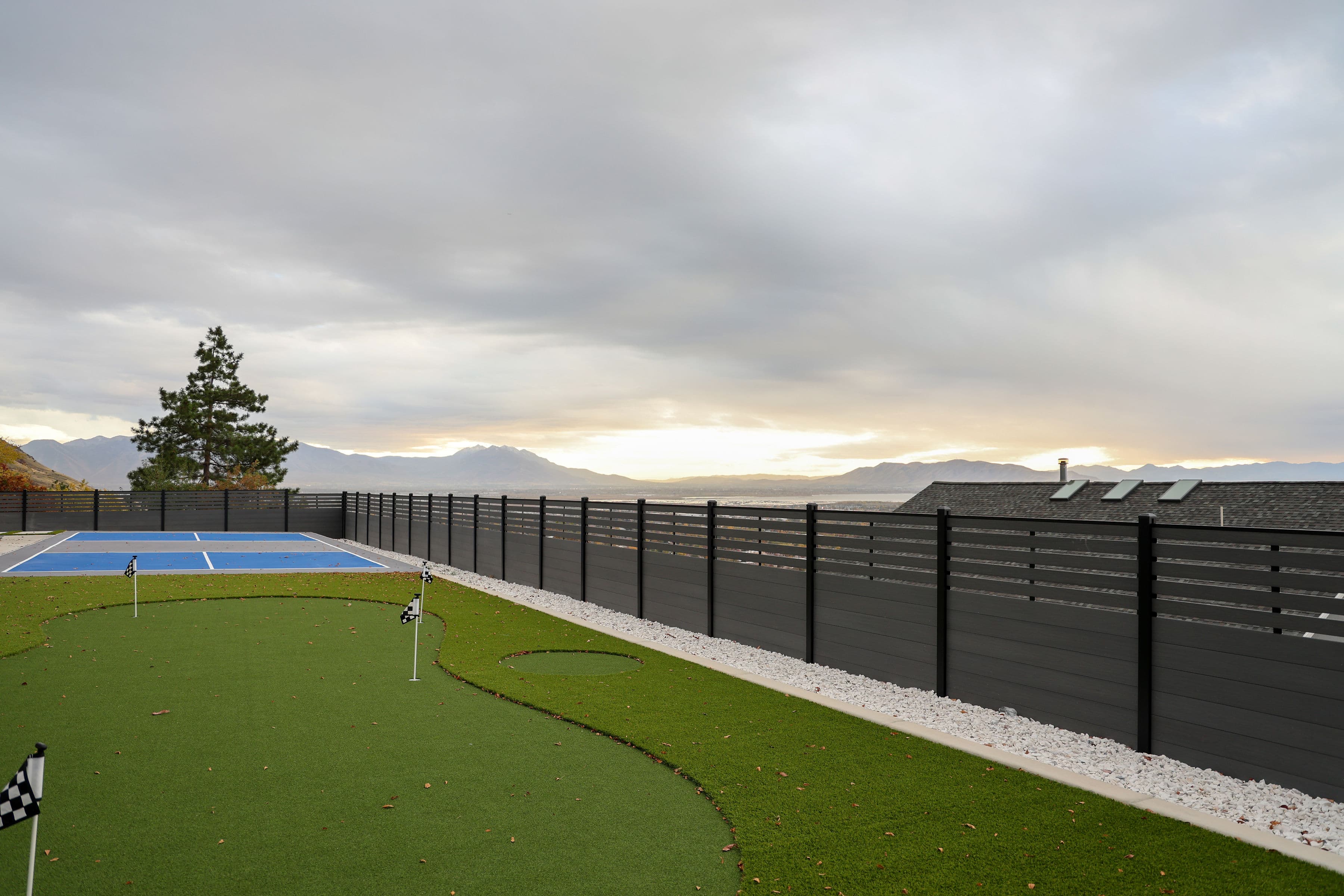
A six-foot Compoxen composite privacy fence between you and a residential street will reduce perceived traffic noise meaningfully — typically 6–12 dB depending on geometry, distance, and the specific traffic spectrum. That is enough to move "intrusive" road noise to "background" road noise.
What it will not do
A composite fence is not an acoustic barrier wall. If you back up to a freeway, you need a 12-foot mass wall, not a 6-foot residential fence. Compoxen will help; it will not solve the problem on its own.
Combine with landscape
The biggest gains come from combining a composite fence with a layered planting on the noise side. The fence handles the high-frequency content; the foliage handles the rest.
See more
/specifications for materials data, /get-quote for a region-specific scope.
Ready for a real number?
We'll reply with pricing, lead time, and availability for your Utah project.
Get a Quote